Blog Decoration
DecorationEmbroidery vs Screen Printing: Which Decoration Fits Your Order
Embroidery stitches thread into fabric. Screen printing lays ink on top. They suit different products, wear differently and cost differently. Here's how to choose.
Embroidery stitches thread into fabric. Screen printing pushes ink onto the surface. They suit different products, hold up differently and cost differently, and many orders use more than one method.
The Core Difference: Thread vs Ink
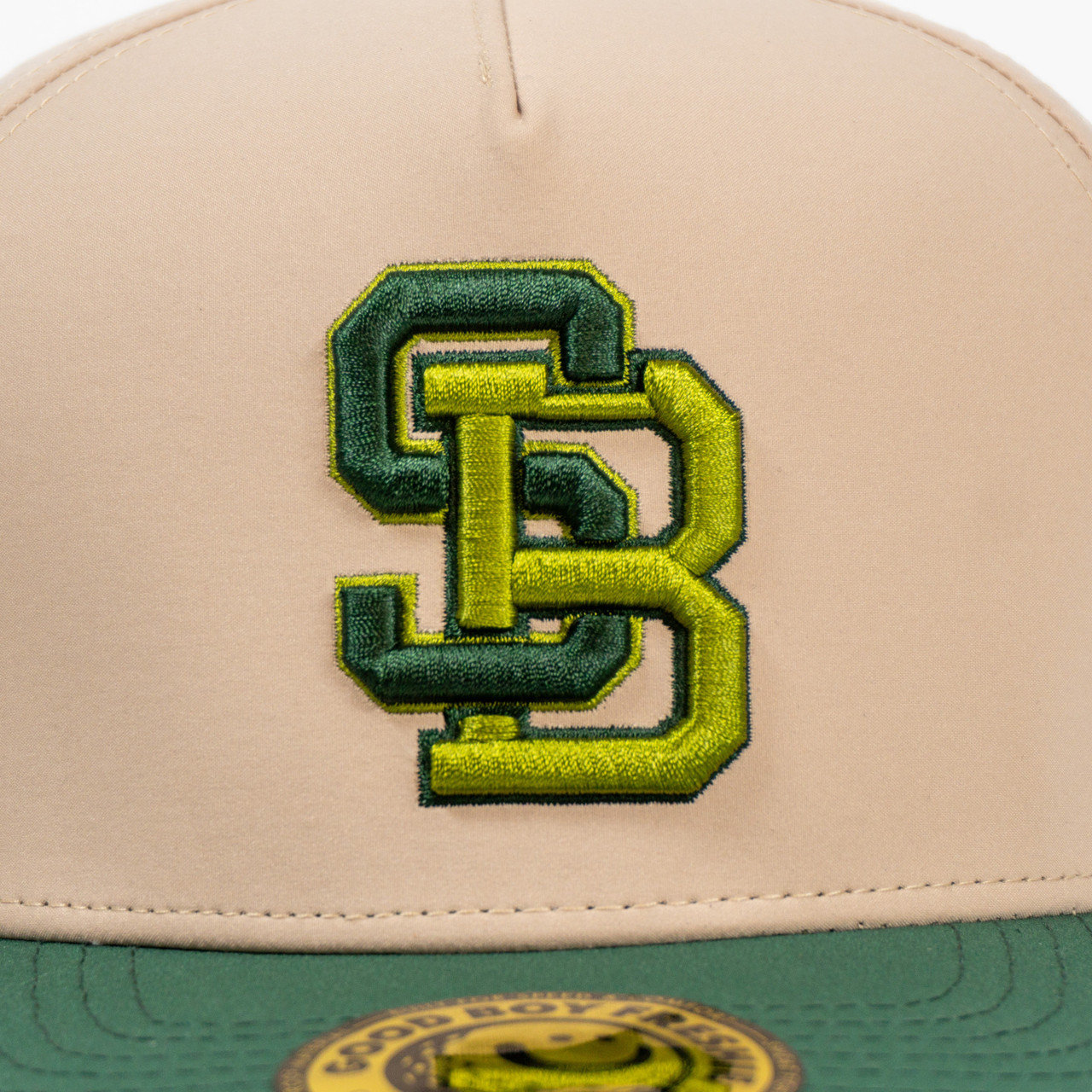
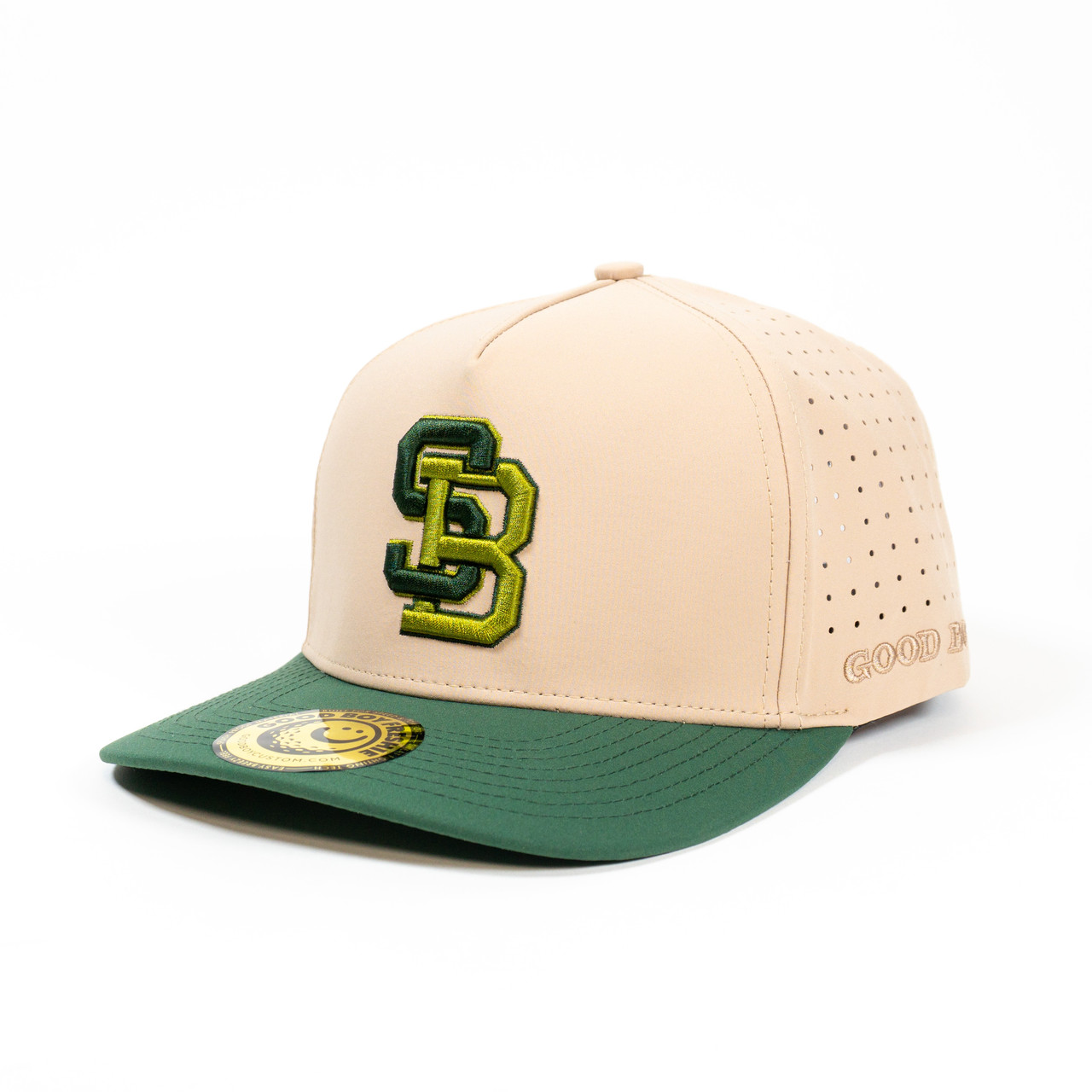
Embroidery uses a multi-needle machine to stitch thread into the fabric from a digitized file, building the design one stitch at a time. The result is raised and textured.
Screen printing pushes ink through a mesh screen onto the garment, one screen per color, then cures it. The result is a flat or slightly raised layer of ink. Plastisol ink sits on top with a smooth, opaque finish. Water-based ink soaks into the fibers and feels softer.
When Embroidery Makes Sense
On polos, quarter-zips, fleece, outerwear and hats. The fabric needs enough body to support stitching without puckering.
For small to medium logos on the chest, sleeve or hat front.
When the piece will be worn and washed a lot. Thread is locked into the fabric, so it won't crack or peel the way ink can. That makes embroidery the long-term choice for tournament gifts, club apparel and staff uniforms.
When it needs to look premium. The dimension and sheen of thread signal quality, which is why corporate gifts and member tournament prizes are usually embroidered.
On technical fabrics. Performance blends, fleece, nylon and canvas embroider well.
When Screen Printing Works Better
For large designs and full-color artwork, including fine detail, small text and gradients.
On cotton and cotton-blend tees, hoodies and sweatshirts, and on lighter fabrics that can't support dense stitching.
For bright, opaque color on light and dark garments, like white ink on black or neon colors that thread can't match.
At high quantities, because the screen setup spreads across more pieces and the per-piece price drops as the order grows.
How Cost Breaks Down
Embroidery cost is driven by stitch count, which rises with design size and complexity. A simple wordmark uses far fewer stitches than an intricate crest. The number of thread colors matters much less.
Screen printing cost depends on colors, locations and quantity. Each color in each location needs its own screen, so a multi-color design on a small order costs more per piece than the same design on a large one.
Durability and Washability
Embroidered logos keep their color and structure through repeated washing, and resist abrasion. A logo on a cap brim or jacket shoulder holds up to friction that would wear a print away.
Screen prints fade or crack over time, depending on the ink, the fabric and how the garment is washed. Washing inside out in cool water helps. Plastisol can crack with age; water-based ink fades more gradually.
The rule of thumb: embroider what gets worn and washed often. Print what gets worn a few times, like event tees.
Design Detail and Artwork
Embroidery can't reproduce fine lines, tiny text, photos or true gradients. Each stitch is a discrete element, and thread thickness limits how tightly detail can pack.
Simple, bold shapes and clean lettering stitch best. A logo that looks crisp as a vector may need simplifying to stitch cleanly; that's part of digitizing.
Printing reproduces artwork more literally, including small type and shading.
Send vector files (AI, EPS, SVG or PDF) for the sharpest result with either method.
Beyond the Two: Patches, DTF, Patterns and Engraving
Embroidery and screen printing aren't the only options, and for golf products they're often not the best ones.
Patches (PVC silicone, woven or leather) carry a mark with edges and depth, and handle more color than thread.
DTF (direct-to-film) print puts full-color artwork on apparel without a screen for every color, which suits detailed artwork on smaller runs.
All-over patterns turn your logo or artwork into a pattern that runs across the whole garment, or inside a hat as a printed liner.
Laser engraving marks leather, metal and drinkware.
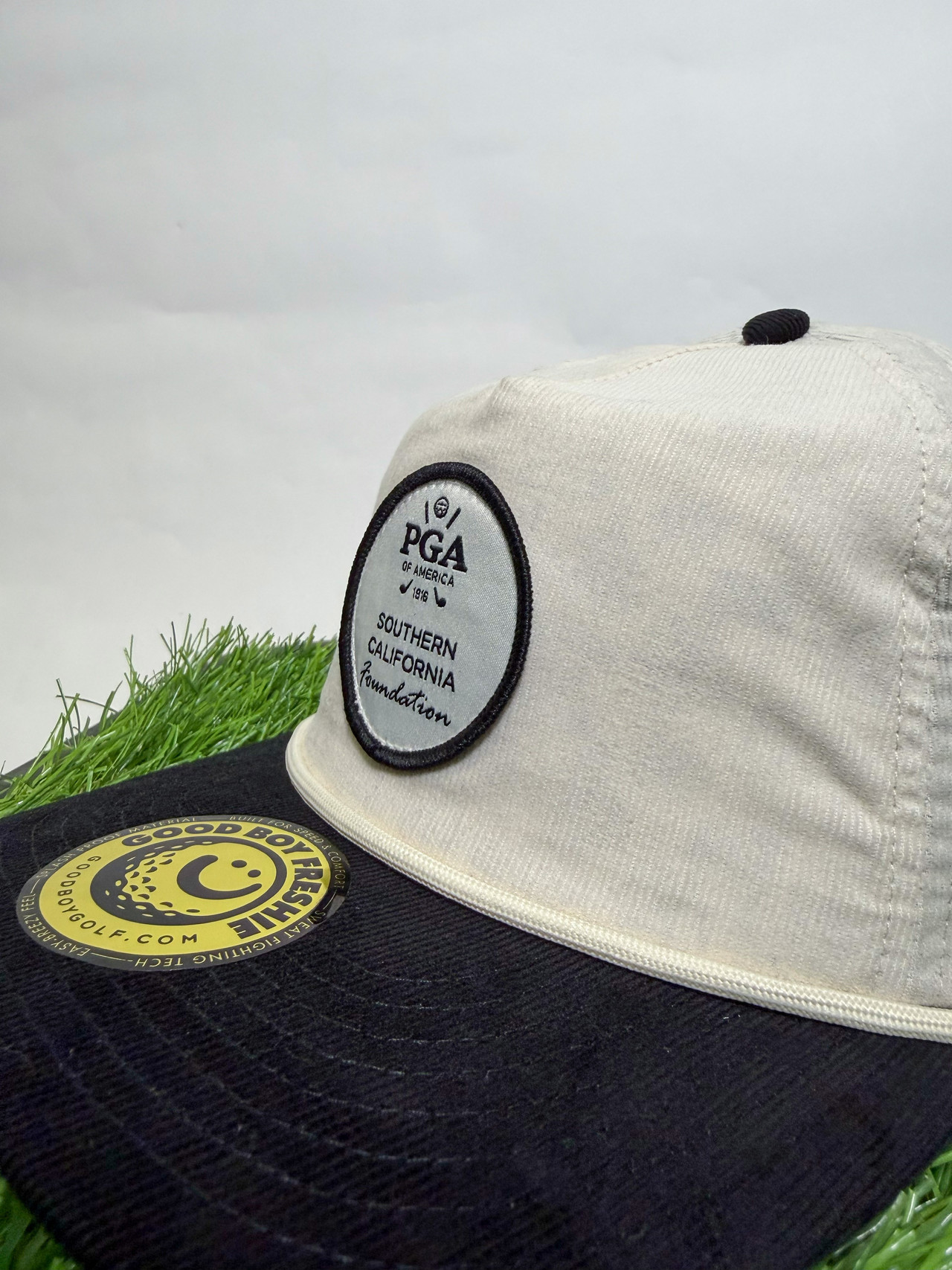
At Good Boy Custom, our methods are embroidery and 3D puff, patches, all-over patterns, DTF print, laser engraving, and sourced details like custom cords, trims and linings. Watch each one on video in How Customization Works.
Matching the Method to the Product
Embroider polos, quarter-zips, outerwear and hats for member tournaments, corporate gifts and staff apparel.
Print event tees and large, full-color graphics.
Patch or engrave when the mark needs depth or the product isn't fabric: leather patches on hats, engraving on flasks and tumblers.
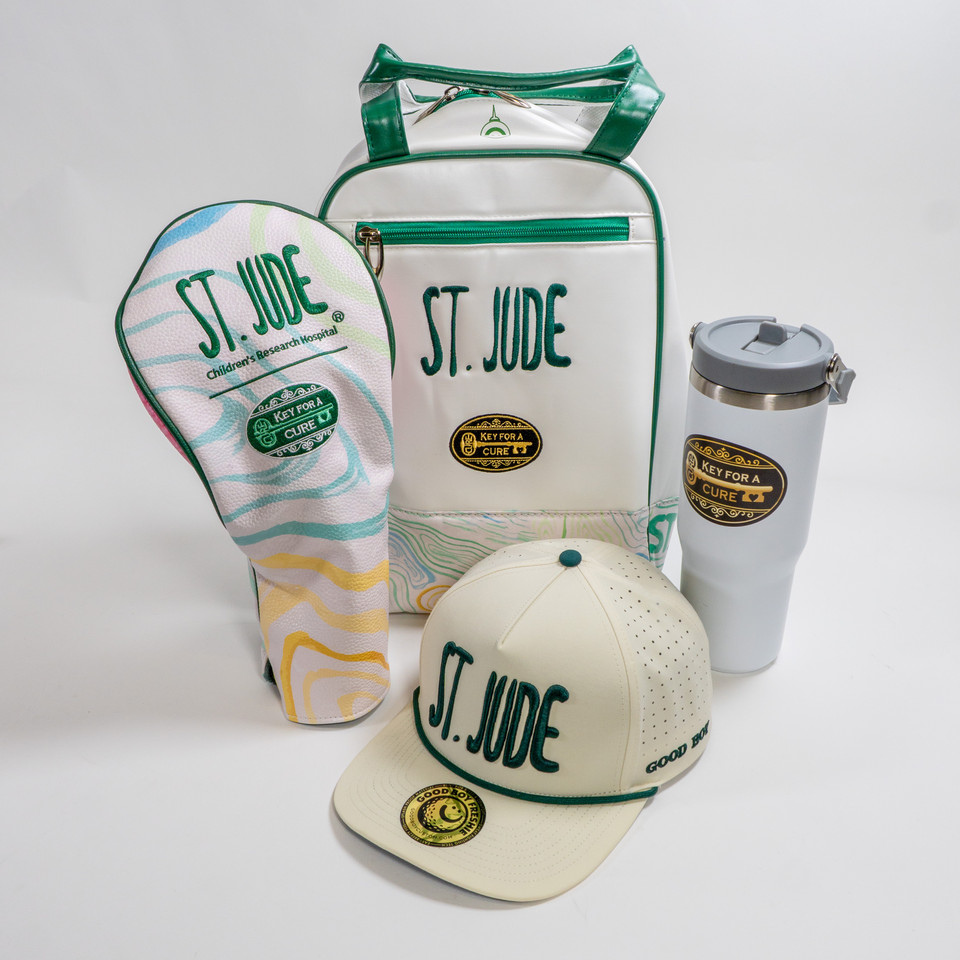
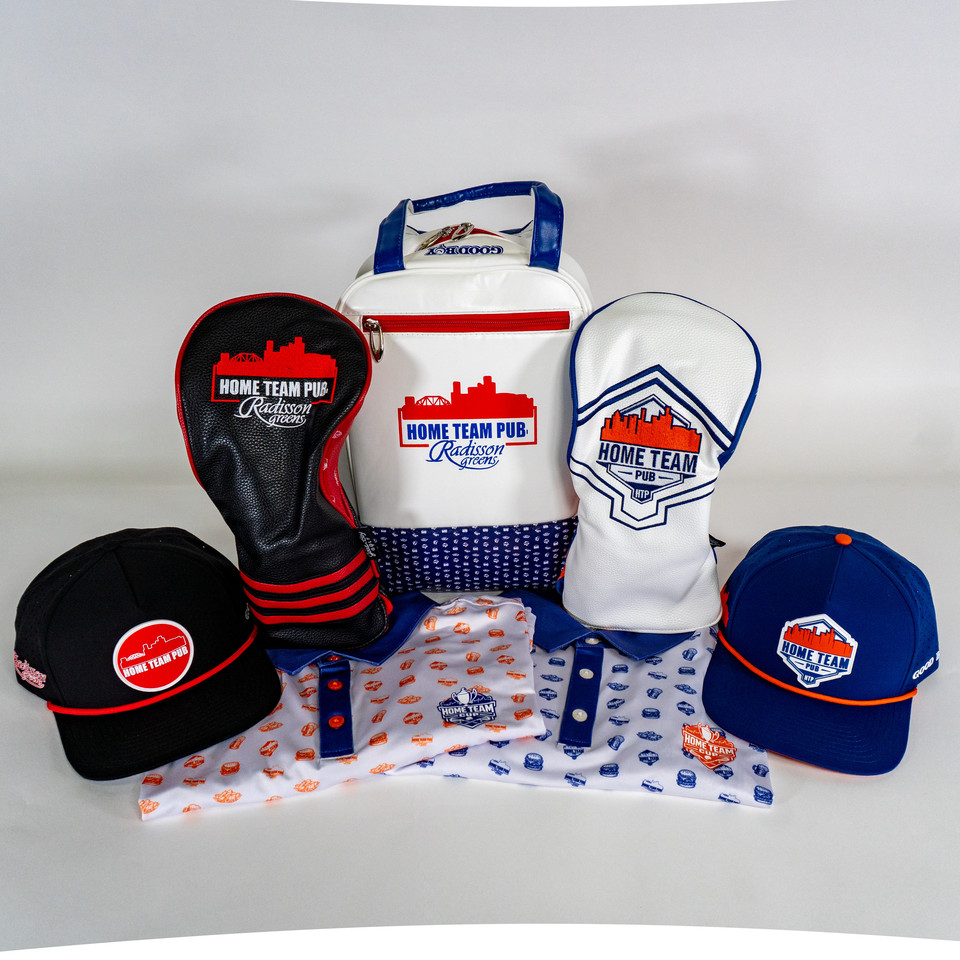
Mix methods in one program. A tournament gift set might pair an embroidered polo, a hat with a patch and a printed liner, and an engraved tumbler, each piece decorated the way it wears best.
Not Sure Which to Choose?
Send us your logo and what you're ordering. We'll recommend the method that fits each piece, mock it up for approval, and you can request free samples on your strategy session. See How Customization Works for methods, artwork and timing, or our guide to custom golf hats.